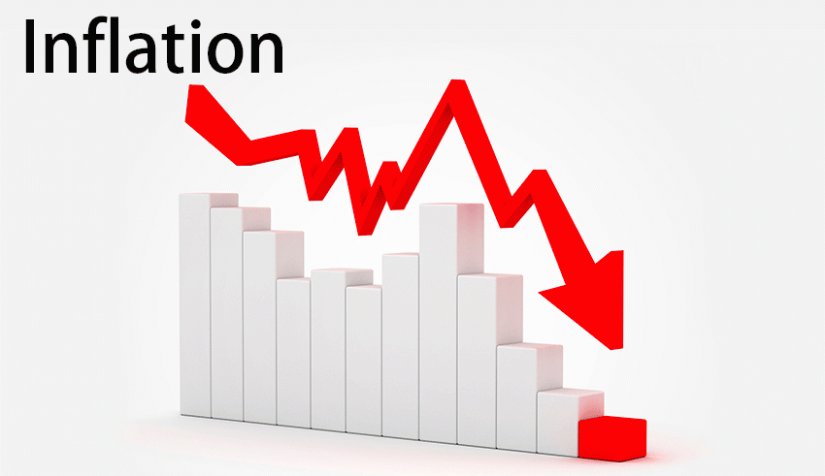
According to the latest data from the National Bureau of Statistics, headline inflation dropped to 15 percent in February, down marginally from 15-point-1 percent in January.
The report shows a modest slowdown in the pace at which prices of goods and services are rising across Nigeria, continuing a gradual downward trend in recent months.
Analysts say the easing inflation may be linked to relative stability in the exchange rate, as well as the delayed impact of earlier policy measures by the Central Bank of Nigeria aimed at curbing price increases.
Despite the improvement, food inflation remains a concern. Prices of food items rose during the period, highlighting continued pressure on household spending.
Inflation has been driven by factors including currency fluctuations, high transport costs, and disruptions in agricultural production.
Economists say while the slowdown is encouraging, sustained policy efforts will be needed to bring inflation down to more stable levels.
The National Bureau of Statistics compiles the figures using the Consumer Price Index, which tracks changes in the cost of goods and services across the country.