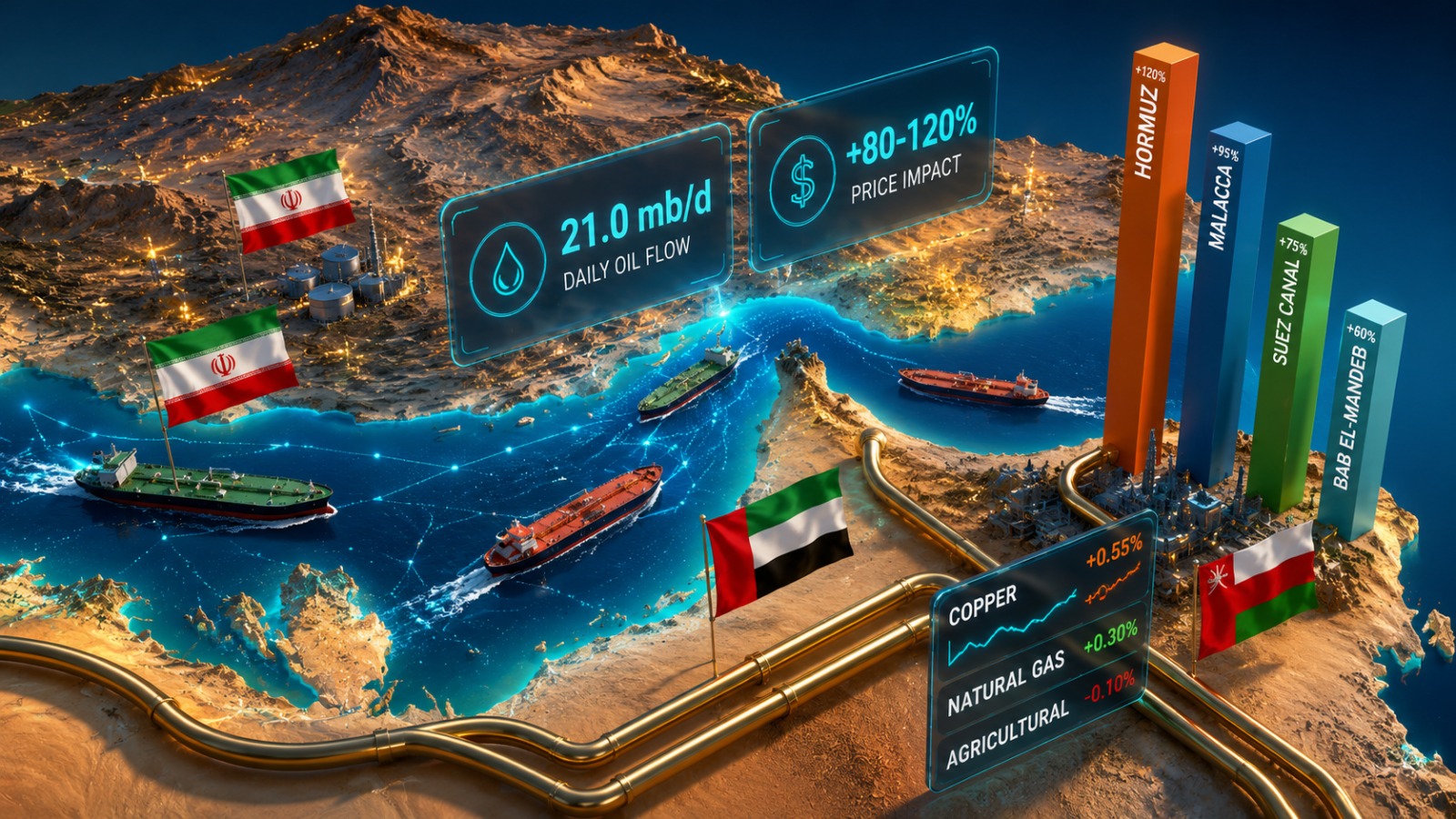
The strategic waterway, which handles a significant portion of global crude exports, has become the center of growing geopolitical uncertainty following renewed regional tensions and security concerns involving major energy-producing nations.
Energy traders and policymakers are increasingly warning that prolonged instability in the region could trigger sustained volatility in oil prices, transportation costs and global inflation expectations.
Analysts say even the perception of risk around the Strait of Hormuz is capable of significantly affecting energy markets due to the corridor’s importance to global oil supply chains.
The renewed tensions come at a sensitive period for the global economy, where central banks are already struggling to balance inflation control with slowing economic growth.
Higher energy prices could complicate monetary policy decisions across major economies and place additional strain on import-dependent emerging markets.
For African economies, the impact could be particularly severe. Many countries across the continent remain vulnerable to fluctuations in fuel prices, currency depreciation and rising import costs tied to global energy shocks.
Industry experts warn that prolonged oil-market volatility could also affect shipping, logistics and industrial production globally.
Governments and financial markets are closely monitoring developments in the Gulf region amid concerns that broader geopolitical escalation could disrupt energy flows and deepen global economic uncertainty.
Economists say the situation underscores the continued strategic importance of energy security within an increasingly fragmented and volatile geopolitical environment.