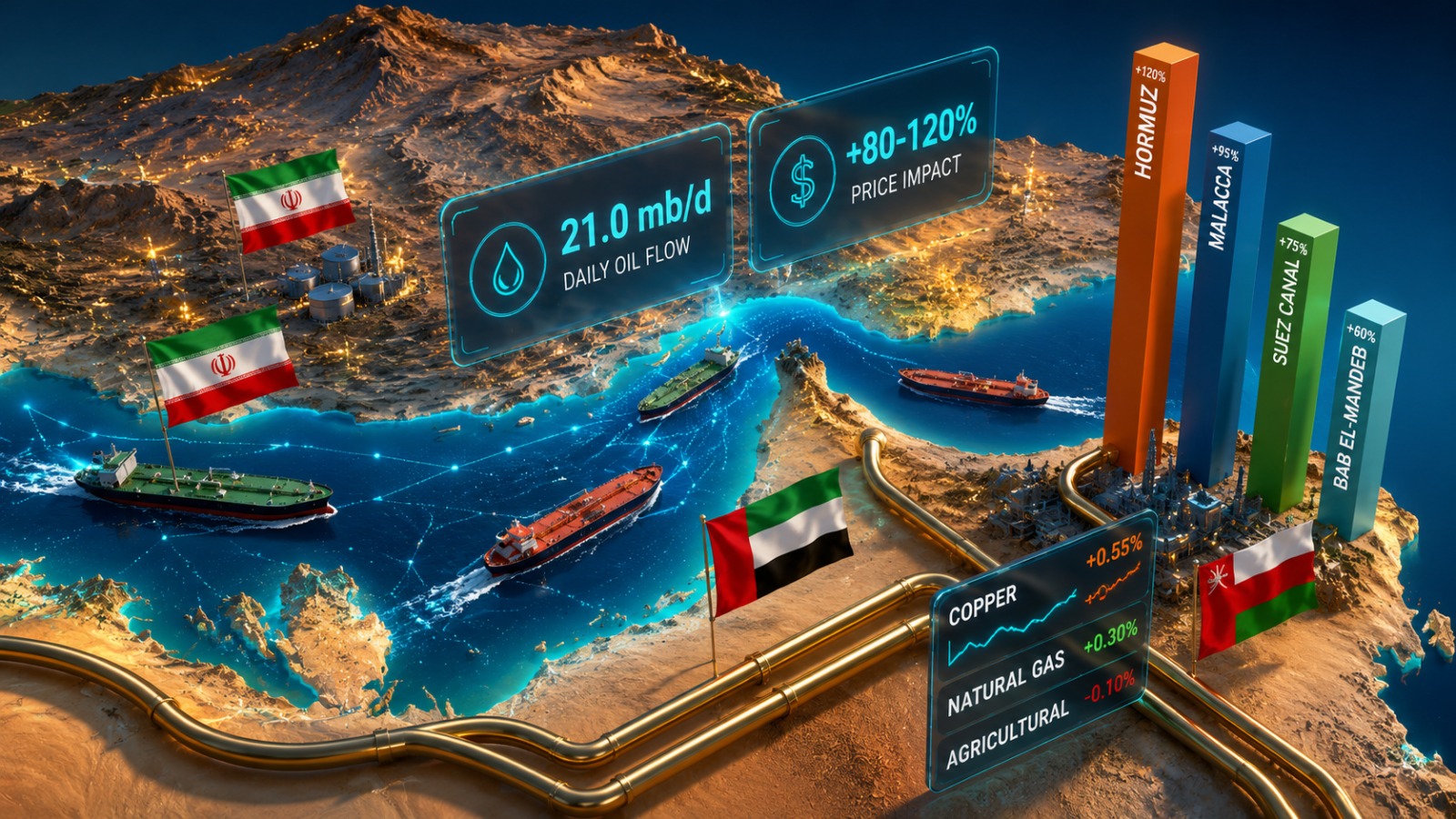
Oil markets remain highly sensitive to developments across key maritime and energy corridors as investors monitor the potential for broader regional instability affecting crude supply flows and global shipping operations.
Brent crude prices have experienced renewed volatility in recent weeks as security concerns surrounding major transport routes increase insurance, freight and operational costs for global energy shipments.
Analysts warn that prolonged instability across the region could further disrupt energy markets already facing tight supply conditions and elevated geopolitical risk.
The implications extend well beyond oil markets alone.
Higher energy prices continue feeding into transportation costs, manufacturing expenses and broader consumer inflation pressures globally, complicating monetary policy decisions for central banks already navigating uncertain economic conditions.
Several major central banks have signaled that geopolitical risks linked to commodity markets remain among the most significant threats to inflation stabilization efforts in 2026.
Financial markets had previously anticipated a broader interest-rate easing cycle this year. However, renewed energy-market volatility has contributed to growing expectations that policymakers may maintain restrictive monetary conditions for longer than previously expected.
The situation also highlights the increasing connection between geopolitics, energy security and macroeconomic policy.
Governments across Europe and Asia are accelerating efforts to diversify energy supply chains and strengthen strategic reserves as concerns over long-term energy vulnerability intensify.
Emerging economies remain particularly exposed to external energy shocks due to currency pressures, import dependence and elevated financing costs.
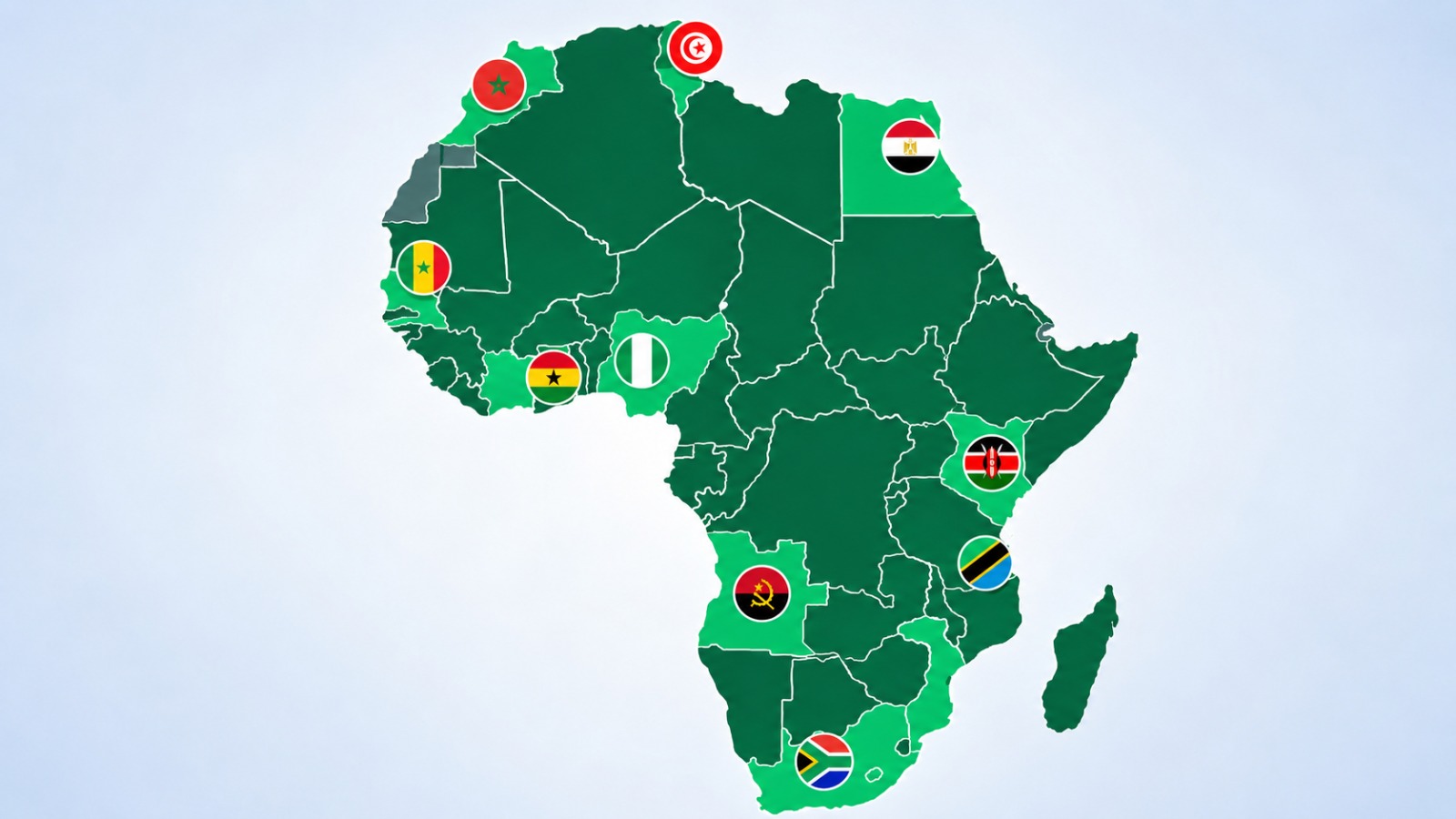
For African economies, sustained energy-market volatility presents a mixed picture.
Higher commodity prices may support revenues for some energy-exporting countries, while import-dependent economies face increasing fiscal and inflationary pressure from rising fuel and logistics costs.
Analysts say the broader global environment is becoming increasingly defined by geopolitical fragmentation, supply-chain insecurity and strategic competition around energy and industrial infrastructure.
The longer tensions persist, economists warn, the greater the risk that energy volatility could become embedded within the broader global inflation cycle.