Policymakers had entered 2026 expecting inflation pressures to continue easing following aggressive interest-rate tightening campaigns over the past several years. However, renewed instability in energy markets is now raising fears that inflation expectations could once again accelerate.
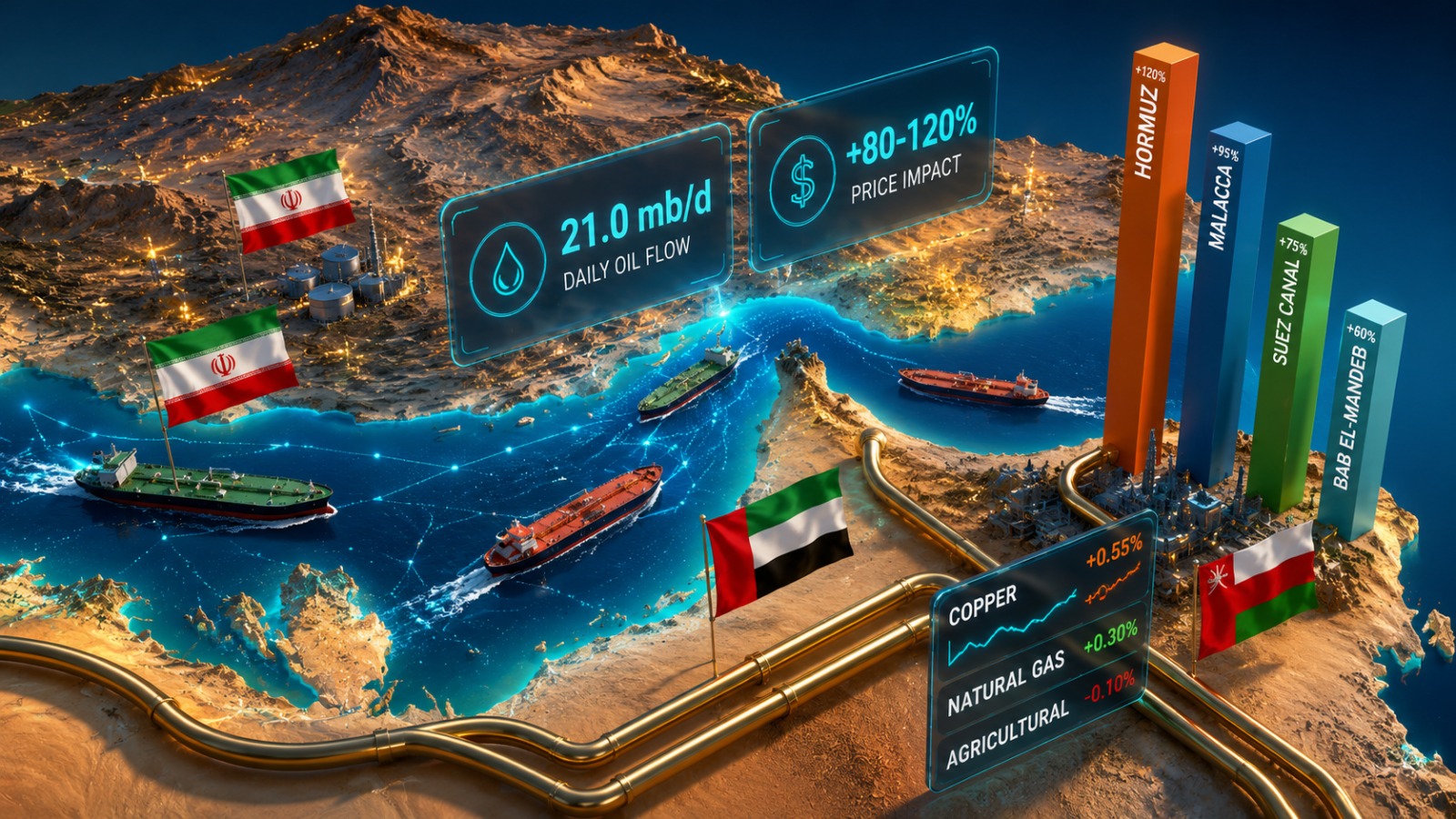
Oil prices have experienced heightened volatility amid geopolitical tensions affecting major energy-producing regions and global shipping routes. Analysts say disruptions to supply chains and transport networks are increasing concern that higher energy costs could spread into broader sectors of the global economy.
Central banks are particularly concerned about the risk of secondary inflation effects. Rising fuel and logistics costs can quickly influence food prices, manufacturing expenses and consumer goods inflation, making it more difficult for policymakers to maintain price stability.
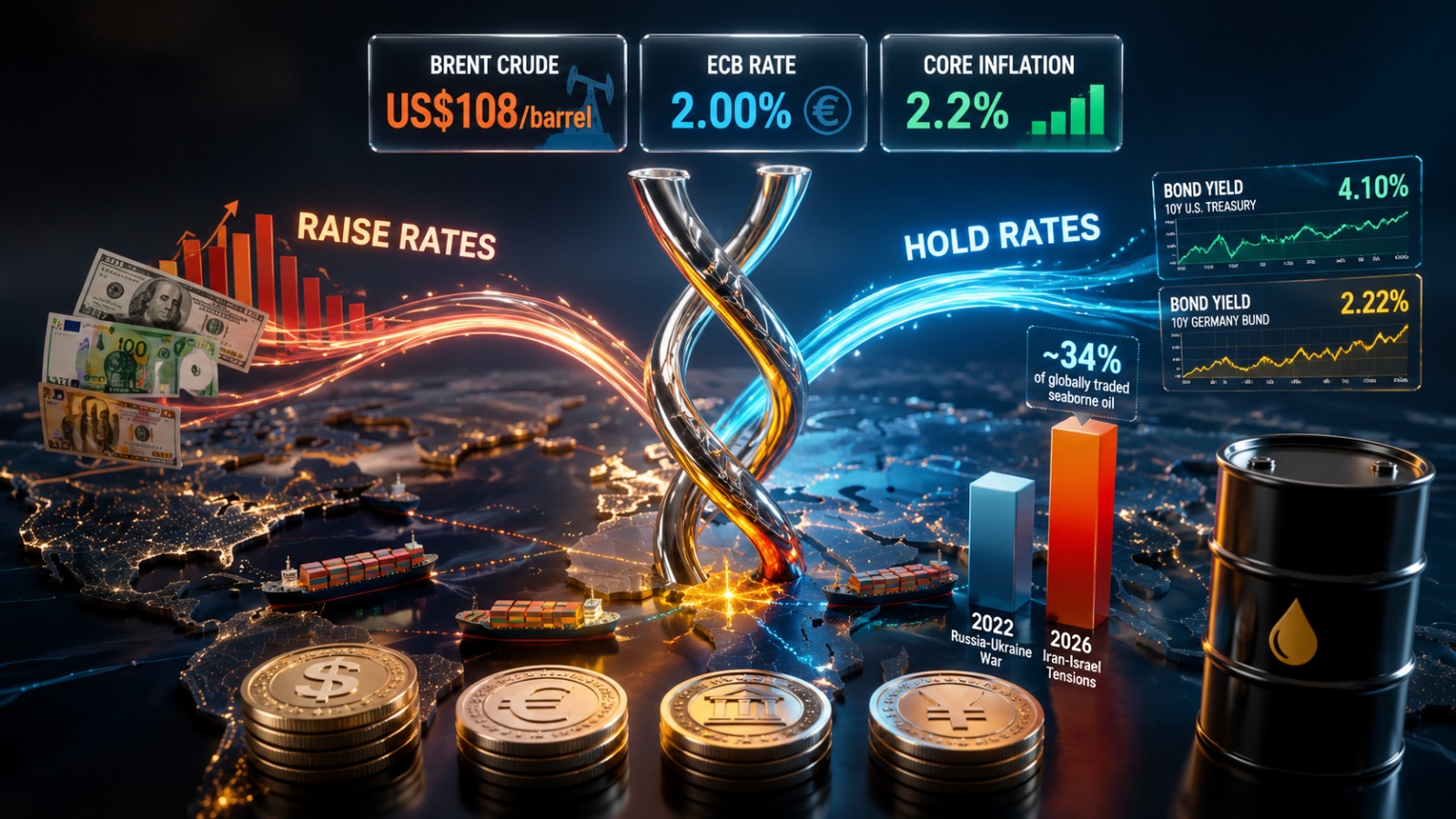
Officials from several major central banks have recently signaled that interest rates may need to remain elevated longer than markets initially anticipated.
The shift is already influencing investor expectations across global financial markets. Traders are increasingly revising forecasts around the pace and timing of future monetary easing cycles as policymakers emphasize caution.
Economists say the situation reflects the growing intersection between geopolitics and monetary policy. Energy security, trade fragmentation and geopolitical competition are becoming increasingly central to inflation dynamics worldwide.
For emerging markets and African economies, the consequences could be significant. Higher oil prices and prolonged restrictive global monetary conditions may intensify currency pressures, increase import costs and complicate fiscal management across several developing economies.
African governments already managing infrastructure deficits, debt obligations and inflation challenges could face additional economic pressure if global commodity-market instability persists.
The broader concern among policymakers is that the global economy remains vulnerable to external shocks even as inflation appears to moderate from previous highs.
Analysts warn that central banks now face a more complicated balancing act: supporting slowing economic growth while preventing renewed inflationary acceleration driven by energy-market disruptions.
The evolving environment is reinforcing expectations that global monetary policy may remain cautious and highly data-dependent throughout the remainder of the year.