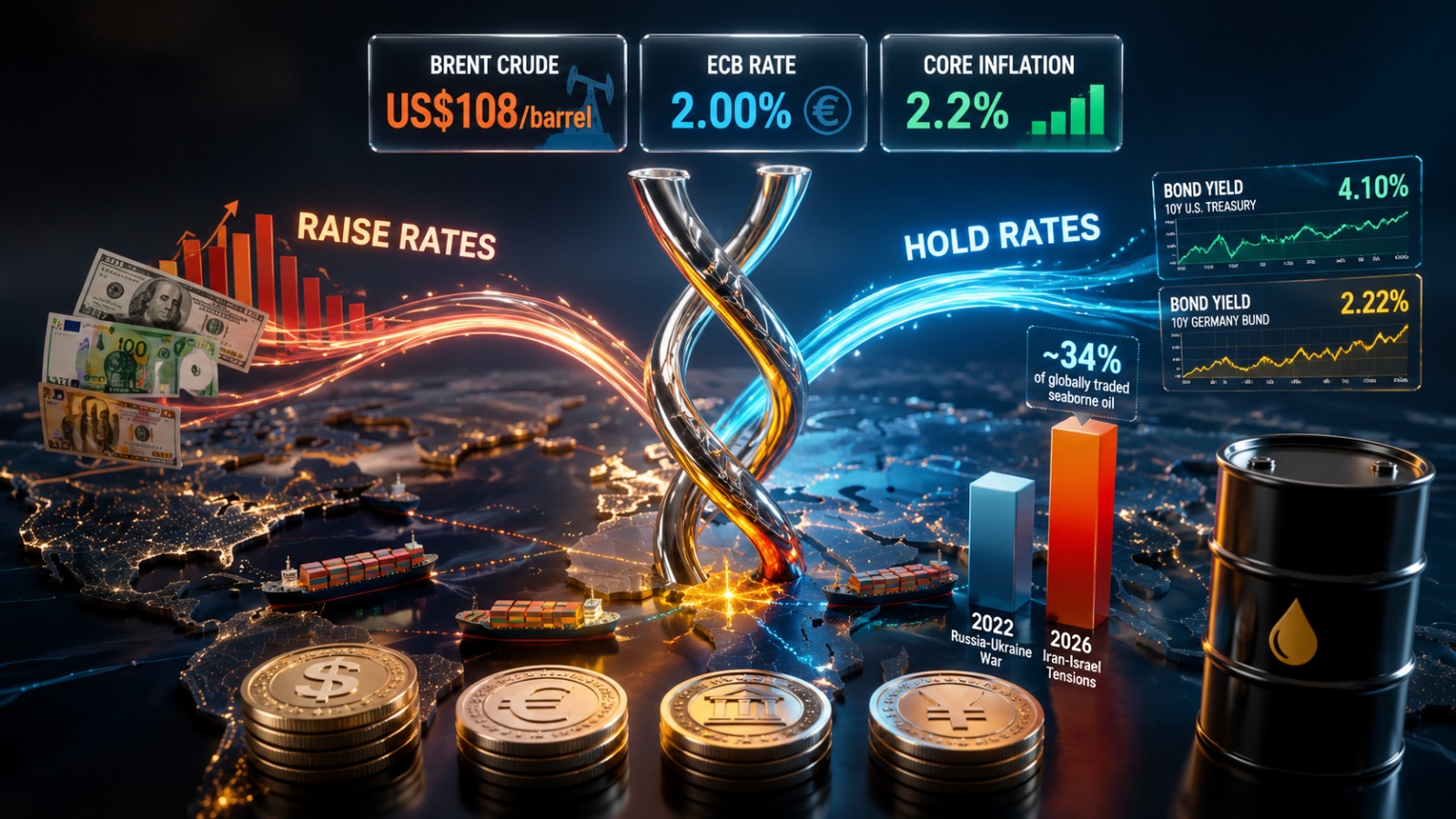
The revised outlook reflects broader concerns surrounding the global economic environment, where persistent inflation pressures, higher borrowing costs and slowing international trade are reshaping growth expectations across developing markets.
Despite ongoing reform efforts and improved macroeconomic management in parts of Africa, the IMF cautioned that external vulnerabilities remain significant.
Nigeria, Africa’s largest economy, continues to face structural challenges tied to inflation, exchange-rate instability, energy costs and infrastructure constraints.
The downgrade comes as policymakers attempt to strengthen fiscal stability, improve industrial competitiveness and attract investment amid evolving global economic conditions.
Analysts say Nigeria’s medium-term outlook remains closely tied to broader global trends, including commodity prices, foreign capital flows and monetary policy decisions in advanced economies.
The IMF also warned that financial fragmentation and geopolitical tensions could place additional pressure on emerging markets already facing elevated debt-servicing costs.
Several African economies have shown stronger growth momentum entering 2026, supported by infrastructure investment, policy reforms and expanding regional trade activity. However, economists argue that resilience is becoming increasingly important as global uncertainty intensifies.
For Nigeria, sustaining long-term growth may depend on accelerating structural reforms, strengthening industrial productivity and improving infrastructure delivery across energy, transport and digital sectors.
Economists say investor confidence will likely remain closely linked to policy consistency, foreign exchange stability and the government’s ability to manage inflationary pressures in a volatile global environment.