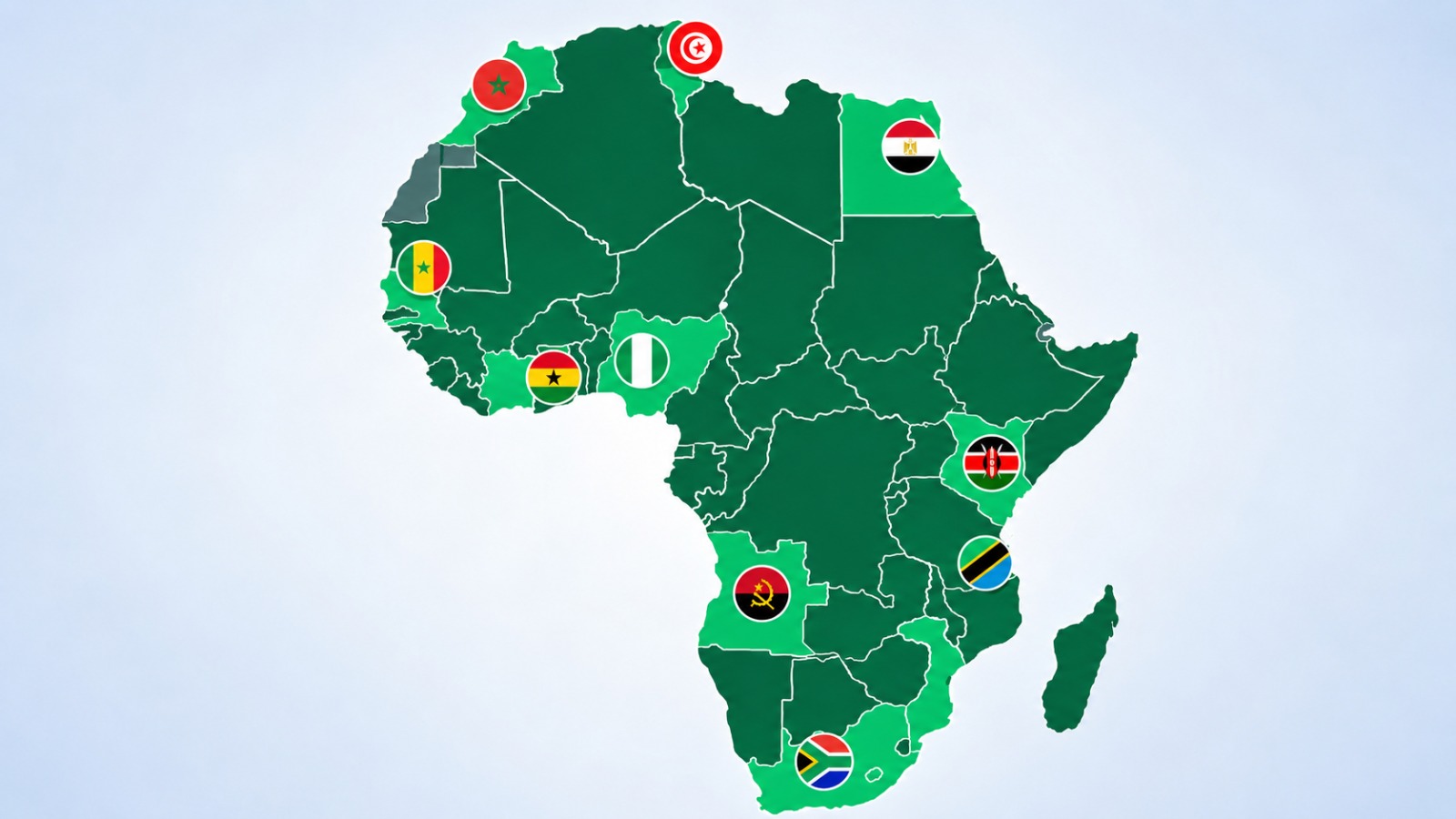
Sub-Saharan Africa entered 2026 with stronger growth expectations following improving macroeconomic conditions and easing inflation across parts of the region.
Several economies, including Côte d’Ivoire, Rwanda and Benin, have maintained relatively strong growth trajectories supported by infrastructure investment and policy reforms.
However, the IMF warned that global financial fragmentation, elevated borrowing costs and commodity-market volatility continue to pose significant risks for developing economies.
The institution said African policymakers now face increasingly complex policy challenges involving debt sustainability, inflation control and long-term growth competitiveness simultaneously.
Economists say resilience is becoming just as important as growth in an increasingly uncertain global economic environment.