Fresh OECD data released this week showed consumer price inflation rising again in March, driven heavily by energy-related costs despite previous signs of easing inflationary pressure.
The development has increased uncertainty around the timing of future interest rate cuts by major central banks, with policymakers balancing inflation control against slowing growth concerns.
Economists warn that persistent energy volatility could continue affecting transport costs, food prices and industrial production over the coming months.
Several emerging economies are also facing additional pressure from weaker currencies and elevated borrowing costs as tighter global financial conditions continue to affect capital flows.
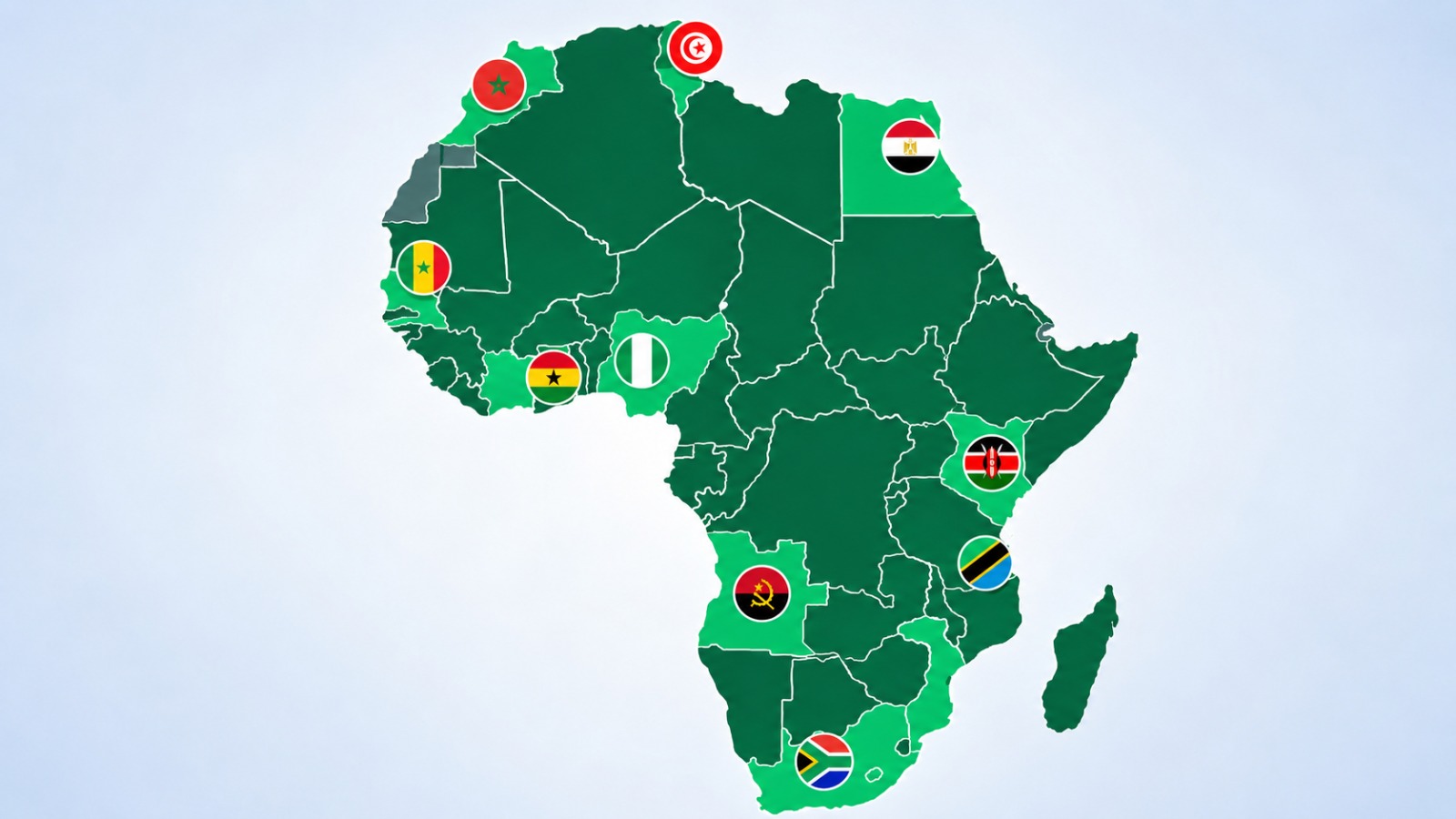
In Africa, governments are increasingly pursuing fiscal reforms, subsidy adjustments and infrastructure investment strategies aimed at stabilizing public finances while attracting foreign investment.
Analysts say the current environment reflects a broader structural shift in the global economy, where energy security, supply chain resilience and industrial competitiveness are becoming central policy priorities.
The coming months are expected to remain critical as markets assess whether inflation pressures are temporary or indicative of longer-term structural challenges.