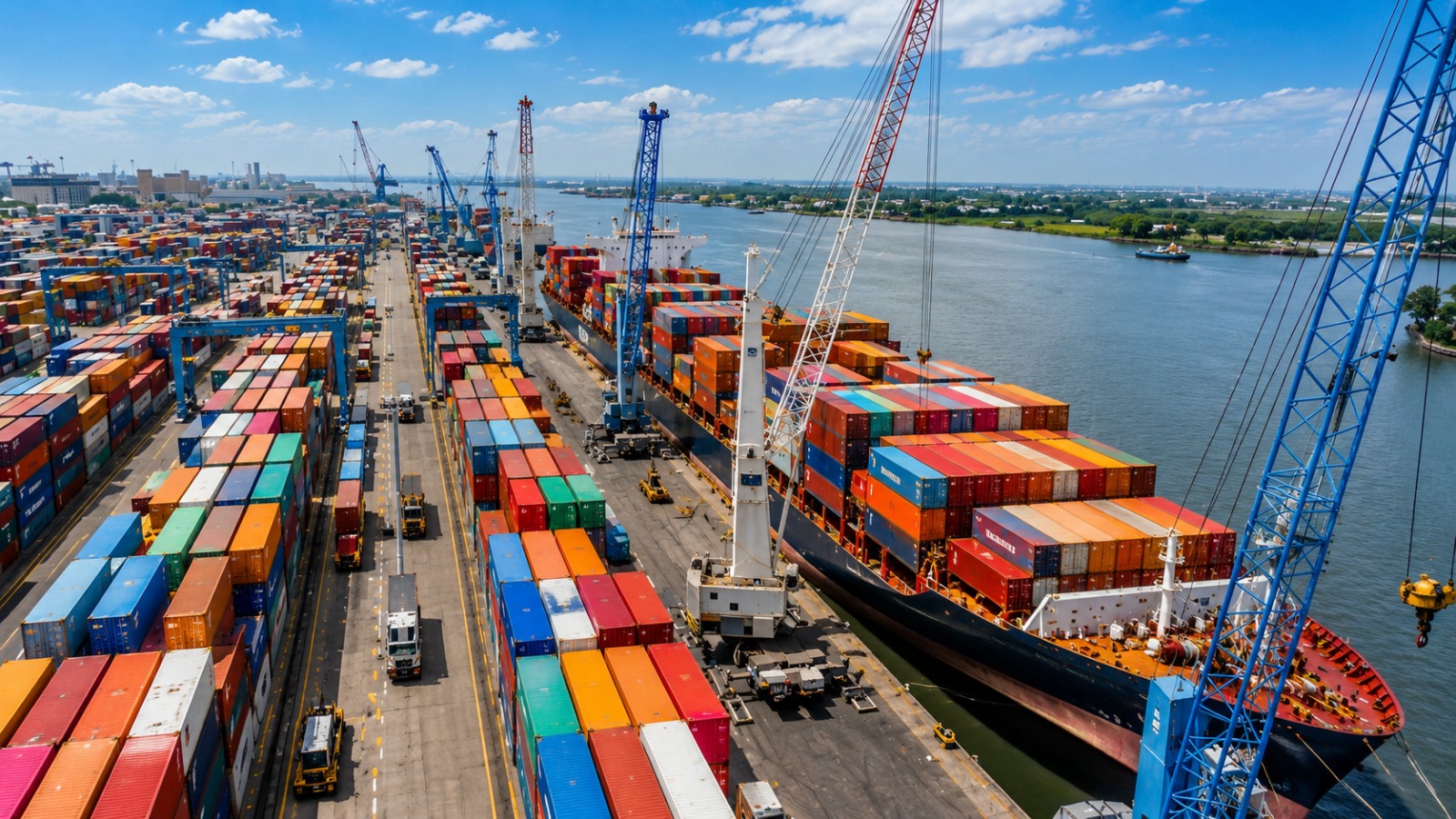
A revival in shipping activity is underway, but with a notable change: vessels are increasingly favouring smaller, more flexible ports over traditional large hubs, reflecting a reconfiguration of trade routes and congestion risk management.
Simultaneously, volatility in global energy markets—driven by geopolitical tensions and supply uncertainties—continues to shape infrastructure investment decisions worldwide.
For Africa, this presents both risk and opportunity. Countries with adaptable port infrastructure, efficient customs systems and integrated logistics networks stand to capture new trade flows. Conversely, rigid or underdeveloped systems risk being bypassed.
Energy infrastructure remains equally critical. With fuel price volatility directly impacting inflation and industrial costs, investment in diversified energy systems—particularly renewables and regional power integration—has become an economic imperative.
Insight:
Infrastructure is no longer just about scale—it is about flexibility, resilience and integration into global systems that are themselves in flux.