The €1.6 million facility in Casablanca is designed to process up to 10,000 end-of-life vehicles annually, extracting reusable components and feeding secondary markets across Morocco and West Africa.
This move reflects a broader industry recalibration. Rising raw material costs, supply chain fragility and environmental regulation are forcing manufacturers to rethink production cycles, with recycling and reuse becoming central to long-term profitability.
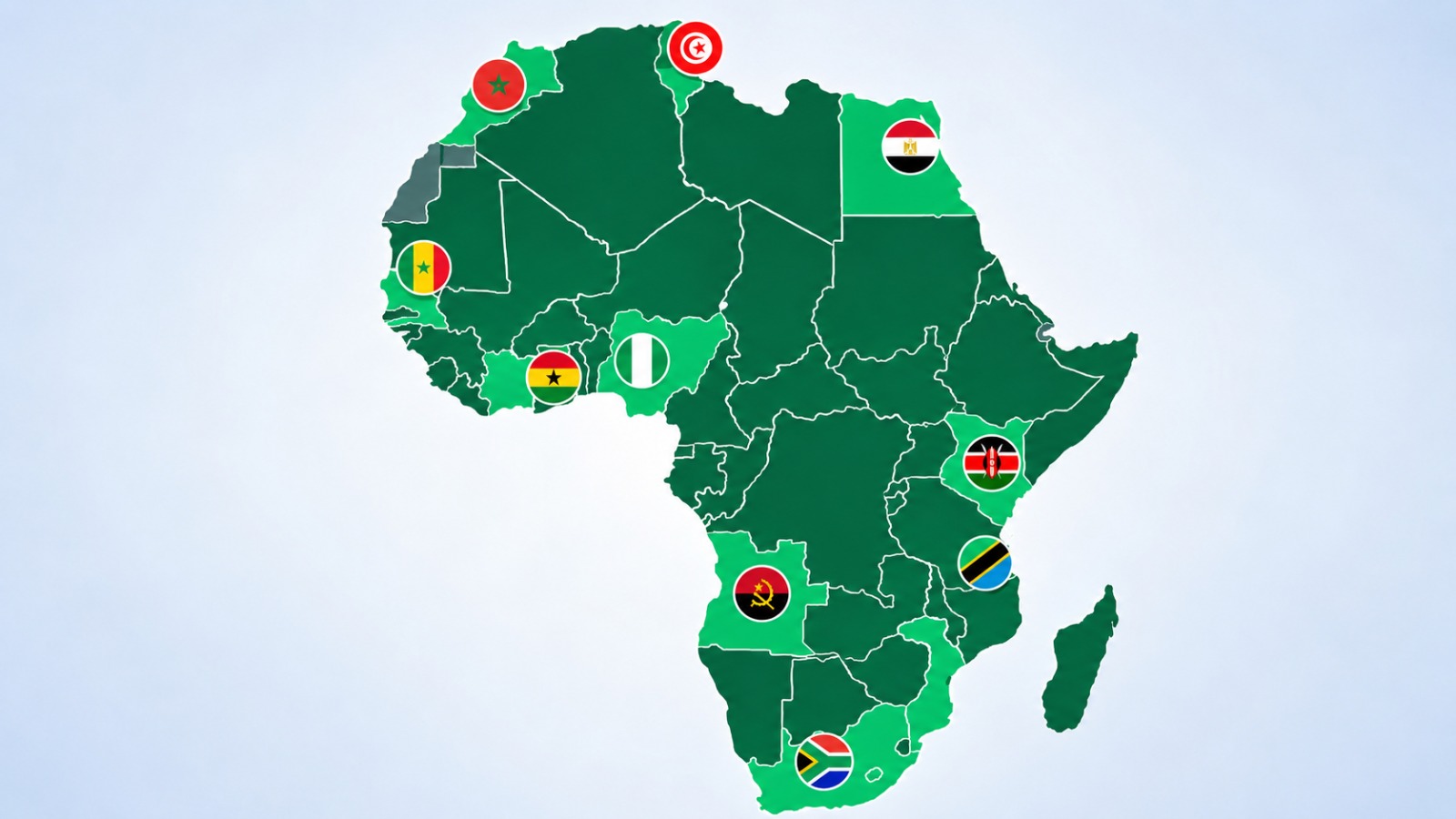
Morocco’s positioning is equally strategic. Having recently overtaken South Africa as Africa’s largest vehicle producer, the country is increasingly emerging as a manufacturing and logistics hub linking Europe, Africa and global supply chains.
For the wider African market, the implications extend beyond automotive. Secondary parts markets could evolve into significant economic ecosystems, reducing import dependence while creating new industrial value chains.
Insight:
Africa is no longer just a destination for finished goods—it is becoming a platform for industrial innovation, particularly where cost efficiency and sustainability intersect.