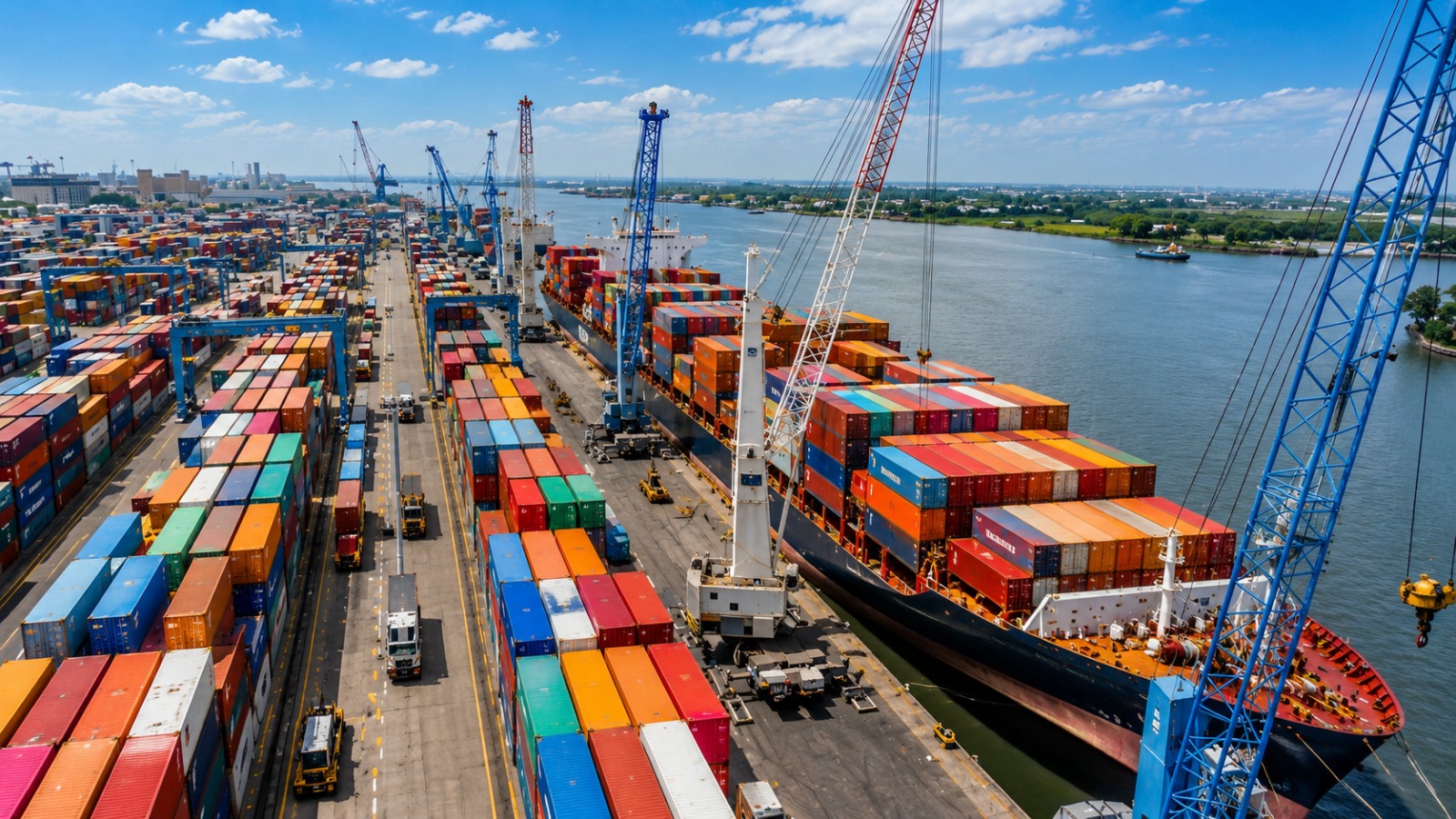
Brent crude fell double digits intraday before stabilising just above $100 per barrel, driven by renewed expectations of a diplomatic breakthrough between the United States and Iran that could reopen the Strait of Hormuz—a critical artery for global energy supply.
Equities responded decisively. Major indices in the United States and Europe advanced, with travel, logistics and consumer sectors leading gains as lower energy costs improved forward earnings expectations. Bond yields also eased, signalling a partial unwind of recent inflation-driven tightening pressures.
Beyond the immediate price action, the more structural shift lies in capital flows. Global finance leaders continue to highlight a rotation towards private credit and alternative assets, with investors increasingly seeking yield outside traditional banking channels amid regulatory constraints and geopolitical volatility.
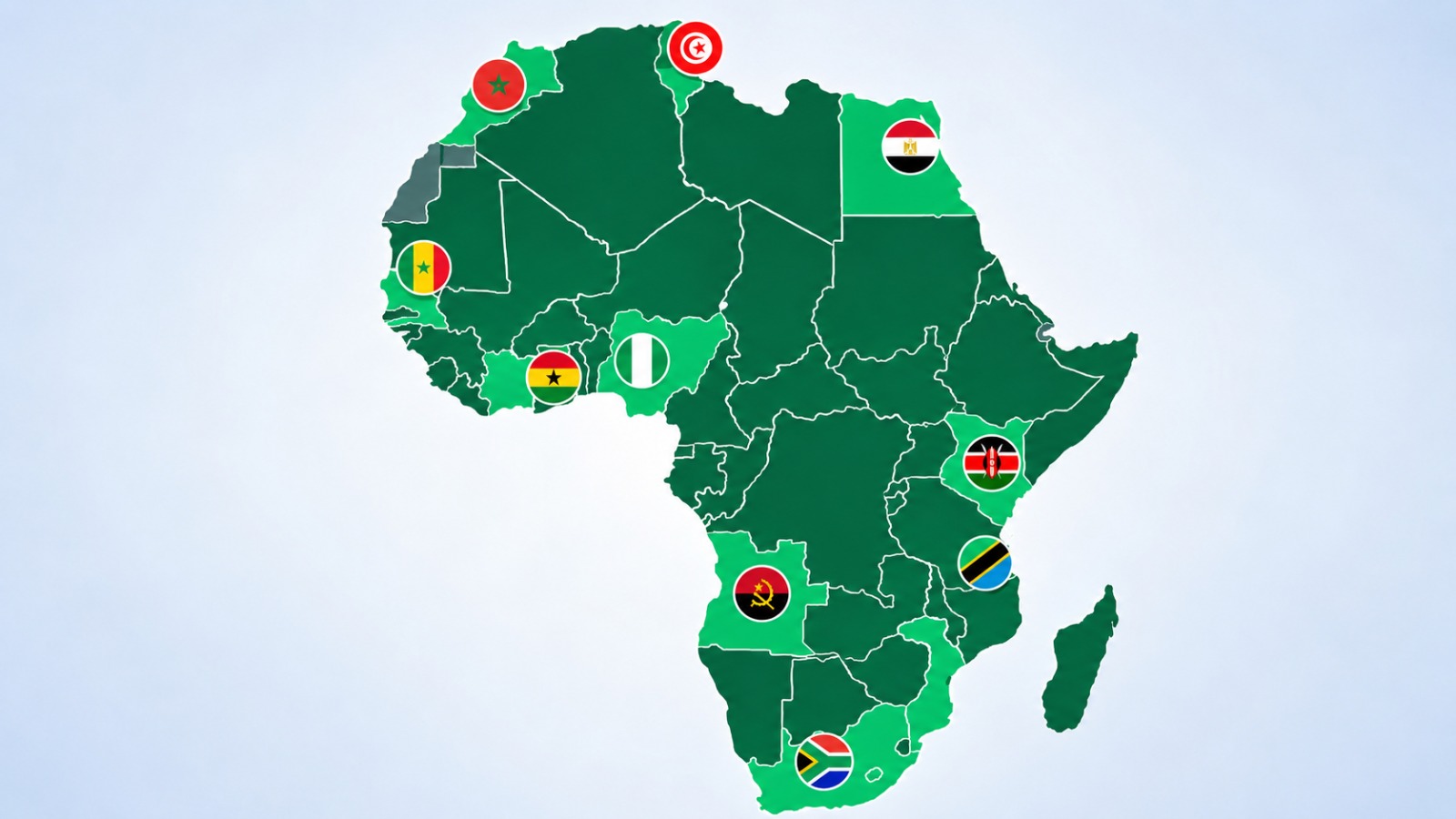
For Africa-facing investors, the implications are twofold. First, lower oil prices may temporarily ease inflationary pressures in import-dependent economies. Second, the reallocation of capital globally could accelerate flows into emerging and frontier markets, particularly where policy clarity and reform momentum are visible.
Insight:
Markets are no longer reacting purely to macro data; they are pricing geopolitical probability. In this environment, capital is becoming more selective, faster-moving, and increasingly global in its search for risk-adjusted returns.