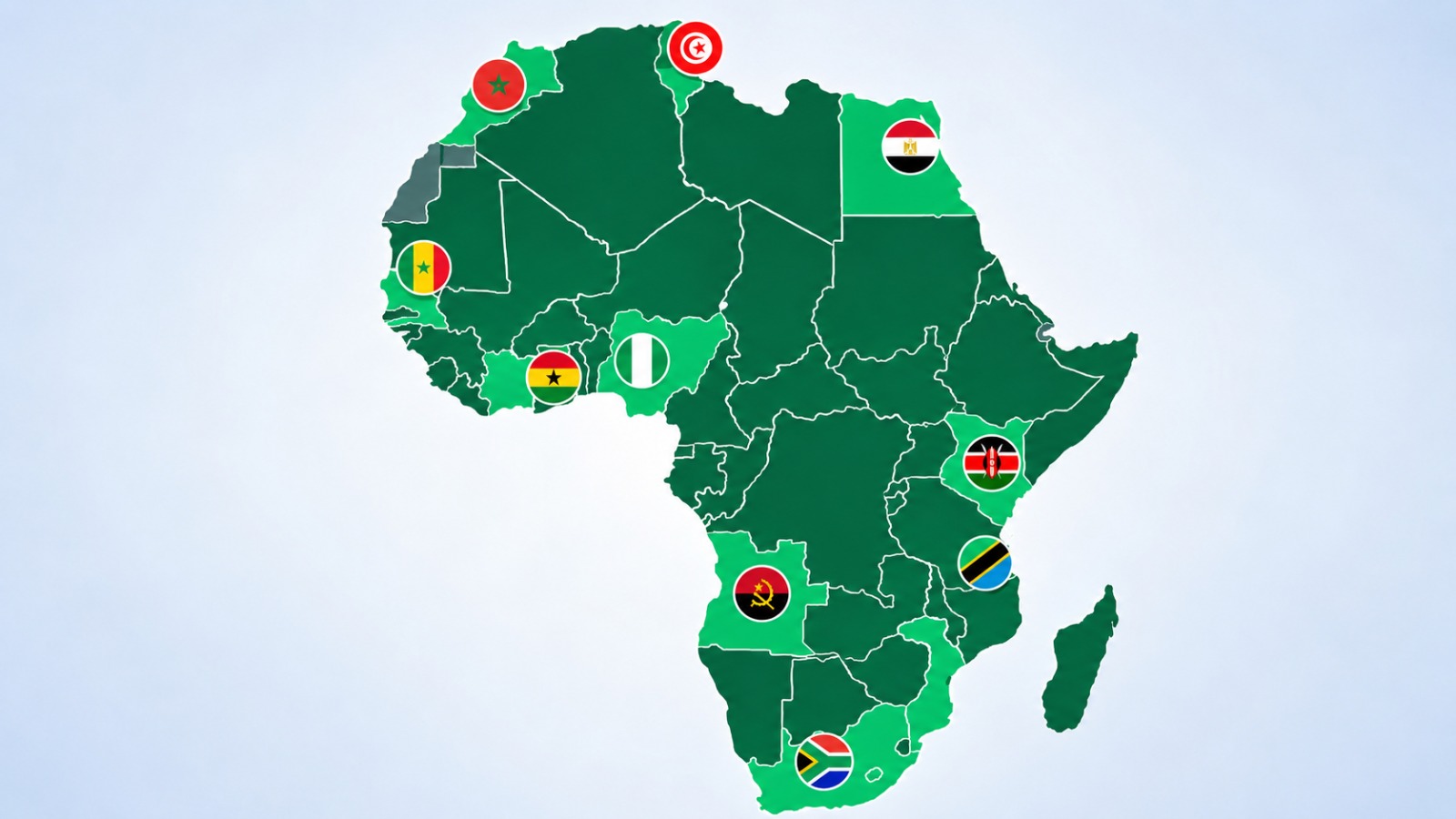
The policy shift is expected to improve market access for African products across sectors including agriculture, textiles, minerals and light manufacturing.
Trade analysts say the development could strengthen Africa’s position within global supply chains while encouraging greater industrial production across several economies.
The announcement also reflects intensifying global competition for economic influence across Africa as major powers seek stronger commercial and strategic partnerships on the continent.
However, economists caution that long-term benefits will depend heavily on Africa’s ability to expand value-added production rather than relying primarily on raw commodity exports.
Infrastructure limitations, logistics bottlenecks and regulatory fragmentation continue to affect trade competitiveness across several African markets.
At the same time, investor interest in African growth sectors — particularly fintech, infrastructure, energy and logistics — continues to expand as global businesses seek exposure to long-term demographic and economic growth trends.
Analysts say the opportunity now facing African policymakers is whether improved trade access can be converted into sustainable industrial growth, job creation and stronger regional economic integration.