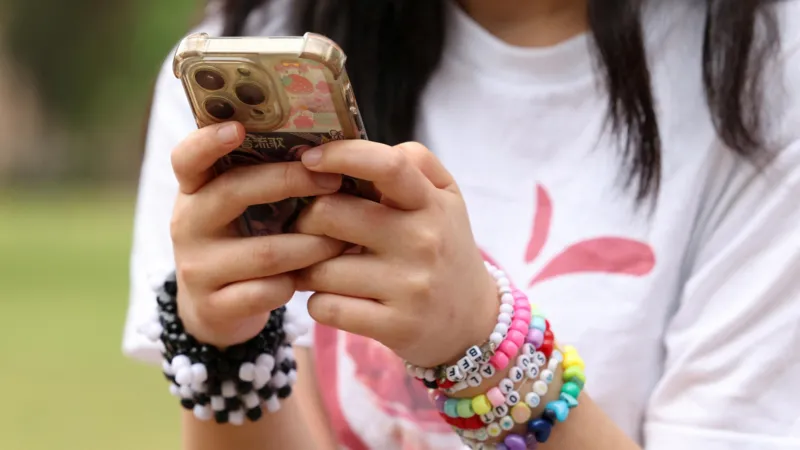
The proposal, similar to a policy introduced in Australia, would have blocked under-16s from using platforms such as TikTok, Instagram, and Snapchat. The idea had earlier received support from members of the House of Lords and public figures including actor Hugh Grant.
However, MPs voted 307 to 173 against the ban in the House of Commons of the United Kingdom. Instead, they supported a plan presented by Education Minister Olivia Bailey, which allows the government to introduce restrictions rather than a blanket ban.
Under the plan, the UK’s science secretary Liz Kendall could be given powers to limit children’s access to social media, restrict harmful or addictive features such as autoplay, and possibly tighten rules on the use of Virtual Private Networks (VPNs).
The government has also launched a consultation to consider measures such as minimum age limits for social media platforms and stronger safety controls.
Supporters of stricter rules argue urgent action is needed to protect children online. Laura Trott, the Conservative shadow education secretary, said the issue is an “emergency” and called for firm legislation, including banning mobile phones in schools.
But some experts and groups like the National Society for the Prevention of Cruelty to Children warn that a complete ban could push young people toward less regulated parts of the internet.
The debate follows growing concern about online harm to children, including the case of Molly Russell, a British teenager who died after viewing harmful online content. Her father has urged the government to focus on enforcing existing safety laws rather than introducing a blanket ban.